When your business needs disposable products, whether for a staff cafeteria, a corporate event, or daily hygiene stations, the choice goes far beyond grabbing the cheapest option. Disposables touch food safety, brand perception, waste management, and budget. Getting the selection right means balancing material, purpose, volume, and environmental impact. This article walks through the key decisions you will face and gives you a concrete example to anchor the thinking.
Start with the Material: What Are You Actually Buying?
- Paper and cardboard. Biodegradable and compostable in many cases, but can become soggy with liquids or greasy foods. Often chosen for takeaway packaging and napkins.
- Bioplastics (PLA, wheat straw, bagasse). Made from renewable resources like cornstarch or sugarcane. They look and feel like plastic but break down faster under industrial composting conditions. Wheat straw lunch boxes, for example, are gaining traction in the UAE for their eco-friendly profile.
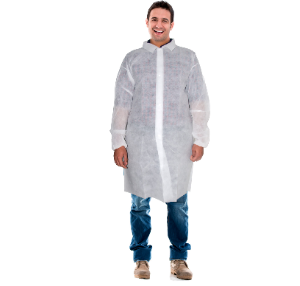
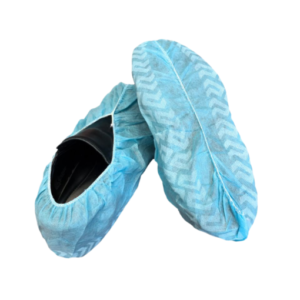
- Non-woven fabrics. Used for items like shoe covers and visitors’ coats. These are typically single-use in sterile or clean-room environments.
Your first decision is matching the material to the application. A hot soup needs a container that can handle heat without leaching chemicals. A salad can go in a paper box. A hygiene station likely needs vinyl or nitrile gloves rather than fabric ones.
Food Safety and Hygiene: Non-Negotiable Checkpoints
Volume and Packaging: One Size Does Not Fit All
Environmental Impact: What Does “Eco-Friendly” Actually Mean?
The term “eco-friendly” is used broadly, but the actual environmental benefit depends on disposal infrastructure. A biodegradable spoon is only helpful if it ends up in a composting facility. In the UAE, industrial composting is not yet widespread, so “biodegradable” may mean little more than “breaks down slowly in a landfill.”
That said, choosing materials like wheat straw or bagasse reduces reliance on virgin petroleum-based plastics. If your company has a sustainability policy, you may want to prioritise disposables that are certified compostable (look for EN 13432 or ASTM D6400) or made from recycled content. Be aware that compostable plastics often require specific conditions to degrade, and mixing them with regular recycling can contaminate the stream.
A practical approach is to reduce overall disposable use where possible, offer reusable cups for staff, and choose the least harmful single-use option for the rest.
Customisation and Branding: When Disposables Become Marketing
Disposable products can carry your logo or message. This is common for corporate events, trade shows, and branded giveaways. Customisation methods include screen printing, full-color UV printing, and DTF (direct-to-film) printing. The method affects cost, durability, and minimum order quantities.
Screen printing is cost-effective for large runs of simple designs. UV printing allows full-color, high-detail images and works well on rigid items like lunch boxes. DTF printing is newer and works on a variety of surfaces, including fabric and plastic. Request a proof before production to avoid surprises.
If branding is important, check whether the supplier offers artwork setup services and whether there are additional fees for multiple colors or complex designs. Some suppliers include basic setup in the unit price; others charge separately.
Concrete Example: Choosing a Disposable Lunch Box
Imagine you need lunch boxes for a company picnic of 200 employees. You want something that looks presentable, keeps food fresh, and aligns with your company’s sustainability goals. Here is how the decision might play out:
- Material: Wheat straw is a renewable byproduct of grain harvesting. It is sturdy, microwave-safe (short bursts), and compostable in industrial facilities. It also has a natural, earthy look that communicates eco-consciousness.
- Customisation: If you want your company logo on the lid, screen printing or UV printing are both viable. UV printing would allow a full-color logo with gradients. Request a proof to see how the design looks on the wheat-straw surface.
- Budget: Wheat straw boxes are typically more expensive than plain plastic ones. The trade-off is a better environmental story and a more premium feel for guests.
This example shows how material, volume, branding, and cost interact. There is no single correct answer; the right choice depends on your priorities.
How to Evaluate a Supplier’s Disposable Range
When reviewing a supplier’s catalog, look for:
- Breadth of categories: Does the supplier offer multiple materials (plastic, paper, bioplastic, non-woven)? A broader range suggests they understand different use cases.
- Transparent specifications: Are dimensions, weight, material composition, and certifications listed? Vague descriptions may hide poor quality.
- Customisation options: What printing methods are available? Are there minimum order quantities for custom work?
- Bulk pricing: Is pricing visible, or do you need to request a quote? For large orders, call for price is common, but you should be able to get a clear per-unit cost.
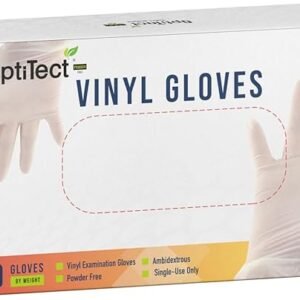
When choosing a supplier, you can consider looking for one that shares its pricing or product lists openly. Its disposable products page Consider choosing items like biodegradable spoons, vinyl gloves, non-woven shoe covers, or wheat straw lunch boxes, as the materials used can matter for different uses. The catalog includes both food-service and hygiene items, such as wheat straw lunch boxes, which can simplify procurement if you need both categories.
What Are the Common Mistakes When Buying Disposables?
Even experienced buyers can slip up. Here are pitfalls to avoid:
- Ignoring storage conditions. Paper and bioplastic products can degrade if stored in a hot, humid warehouse. Keep them in a cool, dry place.
- Ordering too far ahead. Some disposables have a shelf life, especially if they are compostable. Check the expiry date before buying in bulk.
- Forgetting to test a sample. If possible, order a sample before committing to a large run. This lets you check fit, feel, and print quality.
Closing: When Jeffaro Fits Your Disposable Needs
What should I consider when choosing buy Disposable?
What should I consider when choosing disposable products? Start with material, food safety, volume, environmental impact, and customisation needs. Match the product to the specific use case rather than buying generically.
Jeffaro FZE, established in 2024 and operating throughout the UAE, supplies office supplies, stationery, and packaging solutions, including a range of disposable products. Its online catalog lists 32 disposable items, including wheat straw lunch boxes and other food-service and hygiene products. You can browse its disposable range at jeffaro.ae/product-category/disposable/.

 Prezlo